If you are new to Halifax, Nova Scotia, Canada, one of the first small surprises at the grocery store is that some drinks seem slightly more expensive than the shelf price. In many cases, that extra amount is part of the Nova Scotia beverage deposit-refund system. For newcomers, this is not just a recycling rule. It is also a practical way to understand daily costs and recover part of your spending over time.
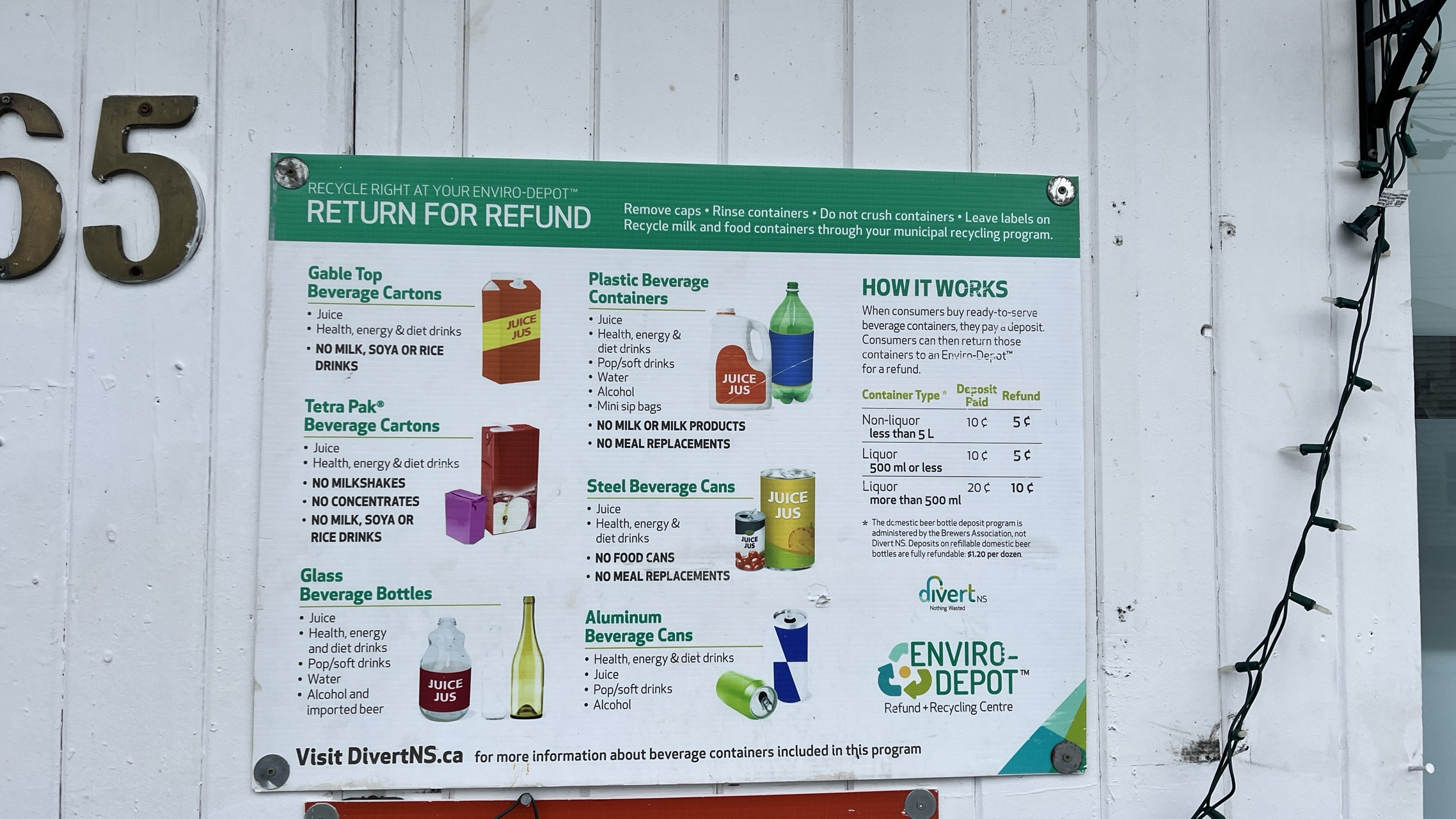
Most beverage containers in Nova Scotia require a deposit at purchase, and you can recover part of that money by returning eligible empties to an Enviro-Depot. However, not every drink container qualifies, and not every eligible container gives a full refund. That difference matters for Halifax newcomers trying to budget daily living costs more accurately.
For many newcomers in Halifax, everyday costs feel higher at first because shelf prices do not always match the final amount paid at checkout. Beverage deposits are one reason. Once you understand how the system works, it becomes easier to separate actual consumption cost from recoverable deposit cost.
This also helps with daily settlement decisions in Nova Scotia. If you buy bottled water, canned drinks, juice, or alcohol regularly, returning containers in batches can reduce small household losses over time. It will not change your rent or major bills, but it is one of those practical habits that makes newcomer life more efficient.
Many ready-to-serve beverages sold in Nova Scotia include a deposit. That means the final price you pay often includes both the product price and the container deposit. For a newcomer in Halifax, this can make drinks look more expensive until you understand that part of the amount may be recoverable later.
This is the most important distinction. Refillable domestic beer bottles are treated differently from most other beverage containers. Many non-refillable containers return only part of the deposit, while refillable domestic beer bottles are commonly the clearest example of full deposit recovery. If you miss this difference, you may overestimate how much money you will get back.
If your goal is to receive a refund, you need to bring eligible beverage containers to an Enviro-Depot. Regular blue bag recycling and deposit refunds are not the same thing. Municipal recycling is for disposal and sorting, while the depot system is where refund recovery happens.
In practical Halifax newcomer life, the most commonly returned items are usually water bottles, pop cans, soft drink bottles, juice containers, and many alcohol containers that fall within the Nova Scotia refund system. The exact eligibility can depend on both the beverage type and the container type, so it is safer to think in terms of program rules rather than assumptions.
Some newcomers make the mistake of treating every beverage package as refundable. That is not how the system works in Nova Scotia. Categories commonly excluded include milk and certain milk-based products, some soya or rice beverages, concentrates, meal replacement products, and several other special beverage categories. This is why container type alone is not enough. Product category also matters.
This is the part where the choice becomes more practical. If your household buys many packaged drinks, understanding the refund structure can slightly reduce your effective beverage cost over time.
If your household mostly buys regular bottled or canned drinks, assume partial refund and plan your returns in batches.
If you buy refillable domestic beer bottles, the return value may be meaningfully different, so the choice can affect how worthwhile depot trips feel.
Keep refundable containers separate from regular household recycling from the beginning. That small habit makes your first few weeks in Halifax much easier.
Rinse containers before returning them and avoid crushing them. A smoother return process saves time and reduces confusion at the depot.
Check the official depot listing before visiting. In Nova Scotia, depot hours and accepted materials can vary by location, so planning ahead matters, especially if you rely on public transit in Halifax.
If you are comparing Halifax with larger Canadian cities for immigration, do not look at cost alone. The better question is whether Halifax fits your occupation, your family plan, and your long-term settlement strategy. You can read our detailed breakdown on whether Halifax is good for immigration to compare the pros, risks, and who this city fits best.
One common mistake is assuming every bottle or carton is refundable. Another is assuming every refundable item returns the full deposit. A third is treating blue bag recycling and depot refunds as the same system. They are not.
Newcomers also sometimes search one depot online and assume all Halifax-area depots follow the same hours. That can waste a trip. Depot schedules may differ, and some locations may have different handling rules depending on the material.
Because many beverage containers include a deposit as part of Nova Scotia’s deposit-refund system. The extra amount is not always a permanent cost if the container is eligible and returned properly.
No. That is one of the most common misunderstandings. Refillable domestic beer bottles are a special case, while many other eligible containers are only partially refunded.
In many cases, no. Milk and certain milk-related products are commonly outside the regular beverage deposit-refund stream, so they should not be treated like standard refundable drink containers.
No. Blue bag recycling is part of municipal waste sorting, while bottle return for refund happens through Enviro-Depot locations for eligible beverage containers.
No. Hours and accepted materials can vary by depot, so it is safer to check the official listing before you go.
Yes, but mainly as a small recurring savings habit rather than a major money-saving strategy. It becomes more worthwhile when you collect enough eligible containers to make each depot visit efficient.
For newcomers in Halifax, Nova Scotia, Canada, the bottle deposit system is a small but useful part of daily settlement. It explains why drink prices can feel higher, helps you avoid recycling mistakes, and gives you a simple way to recover part of your household spending. The main rule to remember is simple: not every container qualifies, and not every eligible container gives a full refund.
Before you make a trip, check the official depot finder and program rules so you do not waste time or bring the wrong items.